![]() | |||||||||||||||||
|
Proxy Report (PDF Download)
|
Director's Dispatch...
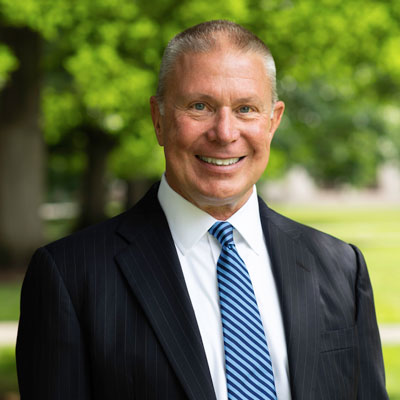
Walter O. Mauldin Welcome to Think Safe 2008. Nearly 40,000 copies will be distributed to University students and staff this fall, and to prospective employees or students, on request, during the coming year. The University is committed to the protection of its students, faculty, staff, patients and visitors from foreseeable harm. That includes having well-defined and rehearsed emergency plans; strong technical support and multiple methods for delivering emergency messages; and, the means to call together a multi-discipline case crisis team should troubling behavior be reported. Security Services achieved a number of enhancements to its programs this summer and others are ongoing. These measures show the University's commitment to protect its students, faculty, staff, patients and visitors. Move of Security's Main Offices to River Campus: We moved our main offices to River Campus, at a site situated between several residence halls and next to parking lots used by most resident students. We are located at the newly designated University Security Center at 612 Wilson Boulevard. Previously, we were located in the Towne House at Mt. Hope and Elmwood. Our new site provides more convenient access to students and results in a highly visible and reassuring Security presence, as most of our 100+ staff come and go from our campus office day and night throughout the week. Riverview Services: When Riverview Apartments opened to residents on August 15, 2008, University Security staff were already on site providing frequent and visible patrols of the apartment complex and the walkway leading from the pedestrian bridge landing on the west side of the Genesee River. We have officers on patrol using marked patrol vehicles and Segways, as well as foot patrols at all times throughout the year, including holiday breaks. The officers are in constant communications with other University Security staff and with prompt access to Rochester Police or other emergency providers. Officers have received a warm welcome from tenants, area residents and other members of the community. AlertUR Emergency Notification System: In March 2008 the University introduced AlertUR as a new emergency notification system. All undergraduates were enrolled automatically through their campus email addresses, and 40% registered supplemental contact options. The first test of the system, on April 26, 2008, went extremely well. Lessons learned have been incorporated into current plans to enhance further the reliability and promptness of this system. Another test of AlertUR will occur in October or November. The next phase will be to enroll other campus populations at intervals to include all graduate students, faculty and staff. We are proceeding in stages so that potential problems can be addressed before we add new people to the system. The impact on IT infrastructure at some other universities has caused problems. Updating University ID Cards: This fall we will update University ID Cards for faculty and staff, as well as replacement cards for students. They will incorporate a proximity chip, a new ID numbering system, and a holographic security image along with redesigned graphics. These efforts tell only part of the story of how we go about the vital work of protecting the University community at all times. About this publication...Under federal and state laws the University must inform you about campus security policies, procedures, victim rights and services, as well as certain crime statistics reported to campus and local authorities. This publication will prepare you to THINK SAFE. Being open about safety, including unpleasant topics, helps us to understand better what we face on campus. What we do, or fail to do, affects our own safety and that of others. The success of individual and University efforts depends on personal and mutual commitments to look after the well-being of one another. We are in this together...Working together promotes awareness of the needs of one's neighbors and fosters a sense of common purpose. The University is part of a larger, urban community in which crime is a constant reality. Maintaining a safe and secure community must be a cooperative undertaking. Security staff alone cannot resolve every breach of good security practice. A partnership is required. Here's what you can do:
Serving our community...Our 110+ officers and staff are assigned throughout the University, 24 hours a day, seven days a week. Although officers are not sworn or armed, they respond to calls of any nature, including all campus emergencies - fire, accidents, physical crimes and disturbances. A wide range of non-emergency-related services is also available to the University community. Security officers are selected after a thorough investigation designed to choose individuals who are dedicated, sensitive and display good communication skills. They hold a New York State license (requiring 32 hours of training) and receive an additional 360 hours of formal basic training. Approximately 40 trained, part-time student aides assist our professional staff and work in selected areas of the campus and residence halls during the academic year. These students are in constant radio contact with us should unauthorized persons or other conditions affecting general safety be discovered. Our mission...
Authority...New York State Education Law (Section 4605) requires the University to establish procedures for the maintenance of public order on its campus. The procedures are outlined in a "Standards of Conduct" statement adopted by the Board of Trustees on July 15, 1970, and published in the Faculty Handbook. University Security Services is charged with providing general security services at the University, and with taking steps to insure the maintenance of public order consistent with its mission. How to contact us...The University maintains an extensive network of over 500 interior and exterior public access telephones. You can call the Security Communication Center for assistance any time of the day or night from any of these phones. Included are over 135 direct-dial Blue Light Emergency Phones (BLEP), 149 elevator phones, 7 areas of rescue phones, 126 service phones (checked by Security), and over 100 interior and exterior service telephones.
Where to find us...Our administrative offices are located at the University Security Center, 612 Wilson Blvd. Office hours are 8:30 a.m. to 5:00 p.m. weekdays. Call x5-3340 or x5-3437, fax 275-0344, or Click here to email us. Also, on the River Campus, we're in the garden level of the Community Learning Center. Office hours are from 8:30 a.m. to 5 p.m. weekdays. Call x3-5200 or fax 273-1128. We're located in the Medical Center in Room G-6009 (near the bookstore and bank). Office hours are from 8:30 a.m. to 5 p.m. weekdays. Call x5-2221 or fax 271-4513. We're available to meet with students at the Eastman School of Music. We have space in the ESM main hall and the main lobby of the Student Living Center. Call x3-5200. How and where to report a crime...If you are a victim or witness to a crime we urge you to contact us immediately. If the crime is in progress or involves possible violence call our emergency number -- x13 or pick up any Blue Light Emergency Phone (BLEP), or dial #413 from AT&T or Verizon cell phones. If the crime involves property, but does not pose an immediate threat, call our non-emergency number -- x5-3333. We will notify the local police agency right away upon your request. After you report a crime, we can suggest where you may get follow-up assistance. These may include your insurance carrier, our crime prevention staff, the office of the Dean of Students, a Human Resources staff member or a law enforcement contact. If you recall helpful information after filing the report, contact us as soon as possible. This may include new witnesses, a more precise description of identifying markings, the value of the property or the recovery of the property stolen or missing. If the follow-up investigation is successful we may need further assistance from you. For example, you may be asked to identify property or suspects or be asked to testify at an administrative or judicial hearing. University Security Services is designated to be the primary receiver of reports of crimes, to make timely warnings of criminal activity to the community and to disclose crime statistics annually. If you are the victim of a crime or other misconduct on campus, and simply will not pursue direct action within the University or Criminal Justice system, you may still want to consider making a confidential report. With your permission, the Investigations Coordinator or a designee can prepare a report of the details of the incident without revealing your identity. The purpose of such a confidential report is to learn about the existence of a possible problem that would not be disclosed otherwise. The information can help put in place corrective measures to safeguard you and others in the future. Additionally, this information helps the University keep a more complete record of these incidents, assists with determining whether there's a pattern, and serve as a basis for educational or publicity campaigns to the campus community regarding potential issues of concern. Any incident reported in this manner will be included as a statistical tally only, as we include proxy reports for sexual offenses in our annual Clery Act report. Other campus reporting authorities...You may also seek out other University resources to discuss your concerns, and disclose a criminal incident. These reports are required to be included as statistics in the annual report to our community. Campus Authorities with responsibility for campus activities who must report crime statistics to University Security Services include but are not limited to:
Counselors or pastoral staff, acting in a professional capacity, are exempt from reporting incidents in a timely manner. However, they are encouraged to provide general disclosure crime event attributes via our proxy or confidential report processes. Reporting Sexual Harassment & Assault...The University Intercessor is available to students, staff and faculty to discuss complaints or questions dealing with sexual harassment and assault and to assist in the development of further communication and education about related issues. The Intercessor can also be consulted if previous questions or complaints have not been resolved satisfactorily, or, if it is believed that there has been subsequent retribution against the complainant. Incidents of sexual harassment may be resolved through both informal and formal means. Special assistance may be required to determine which is the best alternative to follow. Choosing an informal procedure does not preclude initiating formal grievance procedures or filing a criminal complaint with a law enforcement agency at a later date. Members of the University community are encouraged to report all incidents of sexual assault or harassment. In order to help individuals who wish to report an incident while remaining anonymous, the University has developed a Proxy Reporting System. It is maintained by the Intercessor. The Proxy Reporting System allows victims of sexual assault or harassment to feel secure in knowing that they have shared the basic facts of the incident with the University community while preserving their rights to privacy and confidentiality. Ways we get information to you...Urgent:
Ongoing:
Safety Bulletins may be distributed via email through the SecurityNotices Mail List, posted on this web site, posted on building bulletin boards and entrance doors or faxed to University offices. Bulletins are issued for crimes such as serious assault, robbery, forcible sex offenses with unknown suspects, patterns of motor vehicle theft or other losses. In general we distribute a notice when the specifics of the crime are indicative of activity that may put the campus community at risk, or pose significant general security concerns by patterns or frequency of activity. Daily crime log...Federal Law requires schools to maintain a log of criminal activity that is available for viewing during regular business hours. Our crime report log is located in our main offices at the University Security Center, 612 Wilson Blvd. A review will reveal that crime numbers in the log do not run sequentially. We assign report numbers for all reportable activities, both criminal and non-criminal. Only report numbers generated for criminal activity are listed in the crime log. The Clery Act requires that daily crime incidents be listed using state law classifications. However, the annual crime tallies for disclosure purposes require use of FBI Uniform Crime Report definitions for certain prescribed crimes, and may not match exactly some crime classifications listed in the daily log. According to Federal Law, an institution may withhold any of the required fields of entry if any of the following conditions apply:
Security calls the police...
Security is in close contact with the Rochester Police and other law enforcement agencies through the 911 center and by direct radio communication with a number of RPD patrol staff. In the community...Strong Memorial Hospital provides medical services to the Rochester community at a number of sites in the metropolitan area. Primary protective responses to these locations are handled by the Rochester Police Department or other local law enforcement agencies. In an emergency, at an off-site location, one calls 911. Depending on location, one may have to dial 9 before 911. We assist in developing working relationships and procedures with the local law enforcement agencies that serve these sites. University crime prevention staff conduct site surveys and are available to present workshops on topics of interest. Reports of crimes from off-site locations can be faxed to us on a special report form for this purpose. Please contact our Crime Prevention Office, at x5-2220, to learn more. Criminal activities involving students at non-University locations are reviewed by the respective Dean of Students for a disciplinary process, if warranted. Activities at off-campus locations involving staff are referred to the controlling department and Human Resources for review and possible action. Crime prevention and victim assistance...Through Student Orientation Programs, Parent Orientation Programs, Services Fairs, new employee orientations and individual residence hall floor presentations, crime prevention staff address thousands of students, parents, and employees on personal safety issues yearly. We respond to special requests from groups of staff members or students and present individualized workshops on topics of particular concern. We also distribute Security Bulletins and conduct office/building safety surveys. For more information on programs, call x5-2220.
We make available victim assistance support services for a crime against the person. Assistance may begin shortly after a crime is reported and may continue through the often confusing stages of the criminal justice process. The University does not assume responsibility for property if it is lost or stolen. To protect your property, record any identifying marks or serial numbers on a list and keep it in a safe place. Items without serial numbers may be engraved with a unique number for identification purposes. We strongly urge you to check your family homeowner's insurance policy and secure coverage if needed. To find out more about any of the services offered by our Crime Prevention Office, call x5-2220. RACE to fire safety...Plan ahead in case of a fire: Make sure you know two ways out to safety.
For additional information concerning fire safety and other environmental issues, contact Environmental Health & Safety at x5-3241. River Campus Medical Emergency Response Team (R/C MERT)...The River Campus Medical Emergency Response Team (R/C MERT) has been serving the University of Rochester community since 1972. Responding to over 350 emergency medical calls a year, the well-trained volunteer corps, consisting of undergraduate and graduate students, delivers pre-hospital care to fellow students, faculty, staff, and visitors. MERT is certified by the New York State Department of Health (NYSDOH) as a first response Basic Life Support (BLS) agency. Each crew is led by a Crew Chief who is an experienced Emergency Medical Technician (EMT). MERT consists of approximately 100 members that meet bi-weekly to hone their EMS skills through various workshops and exercises. MERT responds with a full range of medical equipment in 4 minutes (on average) to emergencies 24/7 during the academic year and also offers standby services for special events (sporting events, guest speakers, etc.). MERT works closely with Security Services, University Health Services, and Residential Life among other organizations. Personal safety escorts...University Security will arrange for an escort to and from University locations. We will choose the most efficient way to provide you with an escort based on our activity levels at the time. We acknowledge emergencies and other high priority non-emergency calls for services first, so there may be some delay in our response to your request. Please be patient. Your own safety is not worth sacrificing for a few extra minutes. We don't provide escorts to off-campus locations. To request an escort, call x5-3333 or pick up a Blue Light Emergency Phone. Safe passage...University Security regularly conducts surveys to assess campus needs and to plan for the future. We check lighting levels in parking lots, on walkways and around buildings. We also assess landscape plans and maintenance. Building designs are surveyed along with other features that promote personal safety practices. All exterior and elevator phones are checked on a weekly basis. Each year Security staff, University administration, faculty, and students join in the campus Walk for Light. Poorly lit and potentially unsafe areas are identified and Security takes steps with others to improve safety in those locations. Suggestions make a difference! Changes or additions to campus buildings or programs may create new travel patterns or travel times. Suggestions from participants have resulted in the installation of several Blue Light Emergency Phones and upgraded lighting along several pathways. Even if you don't participate in the Walk for Light, let Security know if you have a suggestion for making the University of Rochester a safer place. Building access...Residence halls: University residence halls are locked 24 hours a day. Only residents with ID cards, their guests and authorized University staff may enter. Remember not to prop doors open - you never know who will come in behind you. University buildings: Some buildings, such as the Laboratory for Laser Energetics, are off limits to anyone except authorized staff. Increasingly, areas in the Medical Center and the Simon School require ID cards for access. Other buildings are kept open during regular business hours, but are locked at night, according to scheduled uses. Access control and CCTV...All of us depend on technology each day to add convenience, access information, improve productivity and connect electronically with others - often in an instant. This is true in personal safety, too. Over 8,000 students and staff are recipients of Security Notice bulletins through mail lists maintained by colleges and administrative units. Security monitors over 14,400 fire and security alarm zones or individual points and 817 centrally coordinated access devices process a request for access every 1.2 seconds during a typical business day. We continue to expand the use of CCTV technology to extend our monitoring capability of parking lots, walkways and key building lobbies. This is a multi-year effort that will continue to expand. Over 177 centrally monitored CCTV cameras cover major portions of campus, and images are stored for two weeks on a 12-terabyte array for retrieval. Careful attention is given to the protection of information so it is used only as intended for approved University services. University ID Cards...Your ID card may be used for more than establishing your credentials at the University. It is also used for accessing facilities using ID card readers, such as the residence halls, and for students is also used for vend-a-card services. Should your ID card become lost, it is extremely important to call the ID Office at x3-2000 to report it missing and to have the access privileges of the lost card turned off, and to have a new ID card issued to you. New York State Information Security Breach Notification Act...Due to increasing numbers of identity theft crimes, New York State has recently enacted an Information Security Breach Notification Act which became effective December 2005. This law requires notification to any individual residing in NY State whose private information has been breached. Private information is defined under the law as personal information that consists of social security number; driver's license number or non-driver identification card; or account number, credit or debit card number (in combination with password or access code). Private information does not include information publicly available from federal, state or local government records. A breach of private information can occur if someone successfully hacks into a database or by the loss or theft of a computer, laptop, personal digital assistant (such as a Blackberry, Palm Pilot), etc. that contains private information. The best way to lessen the likelihood of having private information lost or stolen is to minimize copying this type of private information to your local system, especially on portable devices which can be misplaced or stolen easily. If you must store private information, always be sure that it is encrypted. Contact your information systems support staff if you need assistance. If you become aware that any system containing this data has been hacked, call your information systems support staff (ISD Help Desk, etc). If you experience a loss or theft of a device that contains private information, please notify your site's facility security staff (University Security Services, HH Public Safety, Law Enforcement). Because notification is required to each individual whose private information has been lost or stolen, you will be asked to provide the names and other identifying information of anyone whose information was on your device. In addition, it is necessary to contact your Privacy Officer and HIPAA Security Official who will help to determine the need to notify affected individuals. (Refer to HIPAA OS7 Incident Response.)
To report any loss to University Security, please call x5-3333. Departments located off site can use the Satellite Info Breach Report Form (pdf download) to report the loss to University Security. Living safely...On campus: Living safely in the residence halls requires paying attention to some important points:
Off campus: Living off campus requires special safety attention:
Your information on-line (Facebook and similar websites)...
For more information about Information Technology Services policies and procedures, contact the ITS help desk at x5-2000, or visit http://www.rochester.edu/its/feedback.html Transportation services...University shuttle service: First Transit operates shuttle services at the University, RIT, and other areas of student interest. University community members can use these shuttle routes free of charge by presenting a current University ID card. Schedules are posted at major bus stops. Copies are available at the River Campus and Medical Center Parking Offices and at the Wilson Commons Information Center. Call Parking and Transportation Services at x5-4524 for complete information, or go to http://www.rochester.edu/parking/shuttle.htm. Off-campus transportation: Other bus routes operated by Rochester Genesee Regional Transit Authority (RGRTA) have stops at the University as well. These routes require the current fare. Bus passes can still be purchased at the River Campus and Medical Center Parking offices during business hours. RGRTA schedules are available on-line at www.rgrta.com. For more information, call RGRTA at 288-1700. Ride home program: The Ride Home Program provides door to door service from the University to your off campus home (or from home to the University), within a 2 mile radius. The program is available seven days per week, at any time. For a fee of $2 per person, Century Cab Company will provide a safe and convenient ride. Tickets must be purchased in advance. Tickets are available at: Wilson Commons Common Market, River Campus Parking Office, Medical Center Parking Office, Eastman School of Music Cashier's Window, and Eastman Student Living Center Front Desk. Selected vending machines at: Hutchison/Hylan Halls, Dewey Hall, Susan B. Anthony Halls, Internet Café @ Eastman, Courtyard Cafeteria (Medical Center), and House of Six Nations Cafeteria (SMH). For a ride, call 4-A-CAB (x4-2222, direct to Century Cab). For more information, including eligibility requirements and restrictions, call Parking and Transportation Services at x5-4524. Making yourself safe in an emergency...Before something happens, plan how you would react in different situations. What if you are being followed?
Don't take a chance...If you must walk alone, walk briskly on well-lit paths in areas where you have the greatest chance of seeing other people. Walk confidently, with purpose; be alert and aware of your surroundings. Try to avoid hats that obstruct your vision, or earphones that impair your hearing. And finally, carry only the cash and credit cards you need. Missing persons/violent felonies...We strive to maintain a safe and secure environment by working with our community on protective measures to prevent violent crimes, to stop violent crimes in progress and to facilitate follow-up care and service to victims. For these reasons, we take seriously all reports or inquiries related to the prospect of someone in our community thought to be missing. We will immediately file an incident report and coordinate our staff efforts with the appropriate law enforcement agency in an effort to locate the person or initiate a follow up investigation. Well-prepared individuals take the time to share travel or extended absence plans with trusted family, friends or roommates, including changes. Frequently, first reports of a missing person are due to a change in plans unknown to those who care about you. Be considerate of persons who participate in your individual personal safety plan and notify them of your schedule changes. Then, if an accident or other untoward event occurs, those you have entrusted can be of prompt help to responders attempting to render aid. Get in touch with us...As always, in an emergency, dial x13, use a Blue Light Emergency Phone, or dial #413 from AT&T or Verizon cell phones. An officer will be sent to your location right away. Other agencies, such as fire, police, or ambulance, will be notified as needed. For nonemergencies, dial x5-3333 or pick up a Blue Light Emergency Phone. Be prepared to give the dispatcher your name, location and description of the incident. This information will help Security respond to the incident. Other Security numbers to contact include the on-duty supervisor, x5-3333; investigative services, x5-3436; and victim assistance, x5-3108. Alcohol and other drugs...The Drug-free Schools and Communities Act Amendments of 1989 require an institution of higher education, as a condition of receiving funds or any other form of financial assistance under any federal program, to certify that it has adopted and implemented a drug prevention program to prevent the unlawful possession, use, or distribution of illicit drugs and alcohol by students and employees. Alcohol regulations...
Consequences of violations...The University Student Alcohol Policy has been adopted with the letter and spirit of the New York State laws regulating alcoholic beverages and to address the special problems of alcohol use on the campus. The Office of Dean of Students oversees the administration of the University Student Alcohol Policy and regulations. Violations will be adjudicated through the Office of the Dean of Students. Individuals or groups who violate the University policy are subject to sanctions appropriate to their campuses. Organizers of events where alcohol is served or individuals who serve alcohol at outside events are responsible for compliance with all applicable laws and regulations at their events. If the organizers do not exercise responsible control over the conduct of their guests, they may be held accountable in campus judicial proceedings in addition to any applicable civil or criminal process. Copies of the Alcohol and Other Drug Policy are available online and at the Student Activities Office and the Office of the Dean of Students on the River Campus, Eastman School of Music, and the Medical Center. Related policies...Alcohol and drug problems and emotional illness policy (#151) The University, with emphasis on maintaining a safe and efficient work environment, is concerned for the well-being of faculty and staff. Drug abuse, alcoholism and emotional problems are recognized as illnesses and should be treated as such. Department heads and supervisors are expected to assist faculty and staff in seeking professional care, as well as to provide support and encouragement and to make reasonable adjustments to assist individuals during rehabilitation periods. The Employee Assistance Program is available to employees and supervisors who need advice and assistance. Drug-free workplace-controlled substance policy (#171) The University is committed to the development and maintenance of a drug-free environment and will not tolerate the unlawful possession and use of controlled substances (drugs) on its premises. The unlawful manufacture, distribution, dispensation, possession, or use of a controlled substance is prohibited in and on University of Rochester owned or controlled property. Pre-placement drug testing policy (#168) The University of Rochester is committed to providing a safe, healthful and productive work environment for all employees. In conjunction with Policies 151 and 171, all final candidates for positions within Strong Memorial Hospital and other listed departments will be required to participate in a drug screening test. All offers will be made contingent upon completion of a drug test with a negative result. The University is committed to maintaining the confidentiality and privacy of the individual. Smoke-free policy (#170) The University has a responsibility to provide and maintain a working environment that is safe, healthful and as comfortable as possible. According to the policy, all buildings and vehicles, regardless of location, which are owned or leased by the University, will be entirely smoke-free. This policy applies to all indoor air space, including individual faculty and/or staff offices. Smoking is prohibited in all University-owned and leased housing, including residence halls, with the exception of individual (non-communal) living spaces of residents who are living alone, or have the consent of their roommate(s). All communal spaces within University housing will be smoke-free. Individuals who wish to smoke out-of-doors must do so away from entryways and air intakes into the building. University student alcohol policy The University permits responsible use of alcohol by those legally of age to purchase alcoholic beverages. The University does not condone irresponsible use of alcohol regardless of age. Individuals who engage in irresponsible behavior, in which the use of alcohol is a related factor, will be subject to disciplinary action. Individuals who engage in irresponsible behavior that violates University rules and regulations, damages property, or causes injury while using alcohol will be subject to disciplinary action. Weapons...
Student Support Network of the College...The Student Support Network consists of an array of campus offices and departments whose purpose is to identify students and issues that may need attention, support, or other intervention. It meets regularly and members hold themselves to the highest ethical standards, sharing information confidentially on a "need-to-know" basis only. The Student Support Network is not a decision-making body, but provides an opportunity to develop strategies in accordance with the communal principles of the College. Participating representatives are from: Residential Life, University Counseling Center, Interfaith Chapel, University Health Service, International Services Office, Dean of Students, Academic Support, University Intercessor, Security Services, Health Promotion, Dean of Freshmen, Dean of Sophomores, the College Center for Academic Support, Learning Assistance Services, the Bursar, Financial Aid, Fraternity and Sorority Affairs, Athletics, Wilson Commons Student Activities, and Minority Student Affairs. Hazing...Hazing violates University policy and demeans our principle of treating others with dignity. And, it is against the law in New York. Victims have the right to report instances to campus authorities and to the police. If you participate in hazing you could find yourself involved in civil and/or criminal actions (at the state or federal levels), as well as the University's employee discipline or student judicial systems. The NY State Penal Code defines hazing as occurring when, "in the course of another person's initiation into or affiliation with any organization, he intentionally or recklessly engages in conduct which creates a substantial risk of physical injury to such other person or a third party and thereby causes injury". This is a class A Misdemeanor. Minor acts are classified as violations, but with possible fines and jail time. Under federal law, certain actions could even be viewed as a violation of civil rights. The University defines hazing as any action taken or situation created, whether on or off premises, which has the potential to produce mental or physical discomfort, embarrassment, harassment, or ridicule. Such activities and situations may include, but are not limited to, the following: use of alcohol; paddling in any form; creation of excessive fatigue; physical and psychological shocks; quests, treasure hunts, scavenger hunts; road trips, or any other activities carried on outside the confines of any living unit; wearing public apparel that is conspicuous and not normally in good taste; engaging in public stunts and buffoonery; morally degrading or humiliating games and activities; and any other activity which is not consistent with the fraternal law, ritual, or policy, or regulations and policies of the institution. Violations are referred to and reviewed by the Judicial Officer and other University faculty and administrators. Conviction under the NY Penal Code could result in a fine of up to $1,000 and/or a sentence of imprisonment of up to one year. Civil financial judgments could result from private lawsuits. Intolerance...Acts of intolerance and discrimination are prohibited by the University's Harassment and Discrimination Policy. Violations will be fully investigated and subjected to the entire range of disciplinary sanctions as contained in the Student Code of Conduct, the Faculty Handbook, and the Personnel Policies and Procedures Manual. Information about the University's Harassment and Discrimination Policy is published in the brochures "Prevention of Harassment and Discrimination" and "Responding to Acts of Intolerance and Discrimination", which are available by contacting the University Intercessor's Office at 275-9125. Harassment and discrimination policy..."It is the University's aim to provide a setting that is characterized by respect for the individual and encouragement to develop his or her full potential. The University is pluralistic and seeks to provide a setting which respects diversity of individuals and groups which promotes free exchange of information and ideas among faculty, staff, students, patients, and guests. Any behavior, including verbal and physical conduct, that constitutes discrimination against or harassment of any member or guest of the University community in any form is prohibited. Retaliation in any form against a person because he or she complained about an act of discrimination or harassment is prohibited. All members of the University community are accountable for compliance with this policy. The University is committed to assisting victims of harassment and unlawful discrimination wherever they occur in the University community by taking corrective actions against violations of this policy. Violations may lead to disciplinary action, which in sufficiently severe cases may result in separation from the University. Certain forms of discrimination and harassment are also illegal under state and federal laws, including sexual, racial and ethnic harassment." Individuals who experience activity that violates the law are encouraged to file a report with Security Services and have the right to make a report with the appropriate law enforcement agency. Individuals who have been targeted for such behavior may be able to reach a reasonable resolution to the situation on their own. Some individuals, however, might prefer to work with someone who can guide them through the process. The University Intercessor is available to all members of the University community: faculty, staff, undergraduate and graduate students, and volunteers. The Office of Human Resources is available to University staff and faculty. The Dean of Students office in each school is available to assist all full and part-time undergraduates and graduate students. Additional information can be found at www.rochester.edu/intercessor/harassment/. Representatives in each of these offices will be able to discuss the situation with you and will inform you about the options that are available to you. These University resources can be contacted directly. Hate crimes...We are committed to protecting the rights and safety of University community members regardless of race, ethnicity, gender, religion, sexual orientation or disability. Incidents of harassment or assault will be responded to with seriousness and sensitivity. University policies direct faculty, staff, and students to treat all people with dignity and respect. New York State law also contains special provisions for acts of criminal misconduct " . . . that manifest evidence of prejudice based on race, religion, sexual orientation, or ethnicity. . . ." Hate crime statistics for 2005, 2006, and 2007...The University received no reports of hate crimes reportable under the Jeanne B. Clery Act. Campus Sex Crimes Prevention Act...In accordance with Federal and State law, the following notice is provided: Information about Level III sex offenders, if any, living or working in the Rochester area near or adjacent to our campuses will be provided by local police to University Security Services and maintained in our various campus offices. For more detailed information about, and access to, New York's Sex Offender Registry, go to: http://criminaljustice.state.ny.us/nsor/index.htm The Sex Offender Registration Act (SORA) presumes that information from the registry will be used responsibly to promote public safety. Information provided from the registry may not be used to commit a crime against a person listed in the registry, or to engage in illegal discrimination or harassment against such person. Sexual harassment and sexual assault...From the Intercessor... What is sexual harassment? Sexual harassment ranges from sexual innuendo, to the creation of a hostile or intimidating environment, to coerced sexual relations. Examples of sexual harassment include:
University policy...Policy Against Discrimination and Harassment (#106) We aim to provide a setting which is characterized by respect for all and we encourage the development of each individual's full potential. Any behavior, including verbal and physical conduct, that constitutes discrimination against or harassment of any member or guest of the University community in any form is prohibited. Retaliation in any form against a person because he or she complained about an act of discrimination or harassment is prohibited. All students, staff, and faculty are expected to comply with this policy; violations may lead to disciplinary action which, in severe cases, may lead to separation from the University after due process. Certain forms of sexual harassment are also illegal under state and federal laws. Published in Personnel Policies and Procedures Manual, Faculty Handbook, and UR Here. If you have been sexually harassed...If you feel comfortable doing so, notify your department's leadership.
Judicial/disciplinary procedures...For students: The Office of the Dean of Students is responsible for handling campus judicial procedures relating to sexual harassment and sexual assault in all cases involving students. Should an accused student be found to have committed sexual harassment or sexual assault, he/she is subject to the full range of disciplinary sanctions, up to, and including, expulsion. The Handbook On Student Discipline is online. For Employees: When an employee is accused of sexual harassment, the Office of Human Resources should be consulted immediately. If warranted, the University's disciplinary procedures will be applied as outlined in Policy #154 in the University Policies and Procedure Manual. Procedures for faculty are outlined in the Faculty Handbook. Grievance procedures...For students: Grievances can be directed to the Dean of Students Office or the department concerned. For employees: Grievance procedures are outlined in the University's Personnel Policies and Procedures Manual, which is available from the Office of Human Resources web page. Employees may also file an informal complaint and seek assistance in achieving resolution with the University Intercessor. For faculty: Procedures are outlined in the Faculty Handbook, which is available from the Associate Provost's Office. Consider this...The majority of sexual assaults involve people who know each other. To understand why acquaintance rape is so widespred, we must first reexamine how our assumptions about power, gender, and sex can lead to sexual violence.
Perpetrator characteristics...
Assault characteristics...
If you have been raped or sexually assaulted...
Your rights...You have the right by law or University policy to:
What is the law...?Forcing someone to have sexual intercourse or engage in sexual contact is against the law. According to New York State law, rape occurs when a person is forced to have sexual intercourse or if she or he is nonconsenting, unable to consent, or fearful for life and safety. The force can be any amount, real or threatened, that places a person in fear of injury or fear for her or his life. A perpetrator does not have to use a weapon or cause physical harm to make the victim fear for her or his safety. A person is legally unable to consent if incapacitated due to drug or alcohol consumption, or being physically helpless, mentally incompetent, asleep, unconscious, or less than 17 years old. What are the penalties...?In New York State, depending on the age of those involved, amount of force used, type of sexual contact, and other factors, a perpetrator may be charged with sexual misconduct, rape, sodomy, and/or sexual abuse. These are crimes with penalties up to 25 years imprisonment and $5,000 fine. Prevention...What men and women can do to prevent sexual assault...
Sexual Assault Hotline...Since the Sexual Assault Hotline began in 1993, many University of Rochester students have called x5-RAPE (7273). Typical reasons why students call the hotline:
Think safe now...You can help make a difference. Stay informed and get involved. Take an active role in maintaining your personal safety. Help others who are an important part of your life. Take action...The University-wide Advisory Committee on Campus Safety is composed of students, faculty, and staff appointed by the President of the University. Its goal is to help monitor and guide the University's programs to enhance safety on campus. The committee is responsible for reviewing campus security policies and procedures, making recommendations, and submitting, annually, a report of its activities and progress to the President. You can help make a difference. If you get involved and stay informed, you are taking an active role in maintaining your personal safety. Make sure you look for information in the form of safety bulletins, emails and faxes sent to departments. Your participation, comments, and suggestions are welcome as we strive to make a safe learning environment for everyone. Click here to email the Campus Safety Advisory Committee. Help us help you...The quality of our services is dependent on the feedback from those we serve. Our professional standards process helps us to respond to complaints and concerns. We also wish to recognize instances where our staff have been especially helpful and exceeded your expectations in the services they have provided. Our security officers' relationships with our community is vital to achieving our overall mission of a safe and secure campus environment. All members of the community should expect to be treated in a courteous and professional manner by members of the department. We will not tolerate unprofessional or rude behavior or a substandard level of service. During your time at the University it is possible you could be given directions, or be asked for information, by a security officer or other University representative responding to a call for service involving an urgent matter, a crime or a violation of University regulations. You may be asked to identify yourself and, subsequently, to produce your University issued identification card. Your ID card quickly verifies that you may have certain privileges not extended to those not affiliated with the University. You should carry your identification card at all times and must present it on request to any authorized representative. If the officer is investigating a crime, complaint, or a violation of University rules and regulations, you should expect to be asked reasonable questions that will help determine the facts and circumstances of a situation or other inquiry. At some point, the officer should provide you with a brief explanation as to the reason for the request for information. Circumstances may require a quick verification of identity and affiliation before responding. However, the interaction should not end without the officer taking time to provide feedback or answer general questions. We want to make sure our services meet your needs, and would like to hear from you if you have a question, wish to say thanks, or file a complaint. To reach us you have several options:
Resources...Resources for students, staff, and faculty dealing with sexual harassment and/or sexual assault. Individuals affected by addiction are encouraged to seek appropriate treatment. Numerous resources are available to obtain necessary assistance in either case. University Security
Explains your options, helps you file a formal complaint, serves as a link to other law enforcement agencies, and helps with access to medical care, relocation, and transportation. University Health Service (UHS), www.rochester.edu/UHS/
Provides medical care, testing, and preventive medicine for pregnancy and sexually transmitted diseases, and advice about substance abuse by appointment. Sexual Assault Response Team Hotline x5-RAPE(7273) Explains your options, answers your questions, and offers support 24 hours a day, exclusively for University of Rochester students, staff, and faculty. Dean of Students Offices/Student Affairs Offices
Provide students with assistance in dealing with personal concerns and offers referrals for treatment. Intercessor for Sexual Harassment x5-9125, www.rochester.edu/intercessor/ Works with individuals who have experienced any form of sexual harassment and sexual assault and serves as a resource in discussing options to resolve complaints. Employee Assistance Program (EAP) 475-0432, www.urmc.rochester.edu/EAP/ Strong EAP, a benefit of employment, is a confidential, work-site based program staffed by trained, experienced professionals who are available to help resolve personal or work-related problems, provide confidential consultations (up to three per year), and make referrals to other professionals or community agencies as needed. Office of Human Resources, www.rochester.edu/working/hr
Available for University staff and faculty to discuss their rights and options, as well as University policies, and grievance procedures. University Counseling Center x5-3113, www.rochester.edu/ucc/ Provides short-term psychotherapy and 24-hour on-call service. Alcohol and Drug Dependency Program x5-3161 Treats patients with alcohol and drug problems. National Council on Alcoholism and Drug Dependency (800) 622-2255 Council on Alcohol and Drug Dependence 423-9490 Alcoholics Anonymous (local) 232-6720 Al-Anon and AlaTeen 288-0540 New York State Sex Offender Registry, http://criminaljustice.state.ny.us/nsor/index.htm
Educational resources...The University offers educational programs to promote awareness and prevention of sexual assault and abuse of alcohol and other drugs. Intercessor for Sexual Harassment x5-9125, www.rochester.edu/intercessor Offers programs on all aspects of sexual harassment and sexual assault to student groups, employees, faculty, and departments. The brochure, "If Someone Is Sexually Assaulted" is also available. Security Division's Crime Prevention Office x5-2220 Provides programs that address personal safety strategies, date rape and sexual assault, drug/alcohol awareness, and workplace safety. They advise offices on crime prevention through environmental design techniques. UHS Health Promotion Office x3-5775, www.rochester.edu/UHS/ Offers programs and services for students who want to learn more about their own use of alcohol and other drugs, reduce or discontinue their use, or have concerns about a friend or family member's use. The Peer Health Advocacy Program consists of two credit-bearing courses (HLS 216/217) in which students learn how to prevent alcohol/other drug-related problems, sexual risk-taking, and other health concerns. Social Host Training workshops are offered by request to student groups hosting campus events where alcohol is available. One-on-one assessment & feedback sessions (BASICS) are offered by appointment with the health educator.. URL: http://www.security.rochester.edu Last modified: Thursday, 18-Sep-2008 14:40:51 EDT |
||||||||||||||||
![]() |
|||||||||||||||||